
Sony BRAVIA Theater Trio HT-A8 Review: Who It Is Really For
This Sony BRAVIA Theater Trio HT-A8 review is for people who want large-screen cinema sound without turning the room into a maze of speakers and cables. In practice, the three-unit design gives dialogue its own center speaker, while separate left and right speakers create a broader front soundstage. Therefore, this guide looks at setup, daily use, rear-speaker and subwoofer choices, honest drawbacks, and the rooms where this premium system makes the most sense.
 Three-unit front sound system
How the Sony HT-A8 three-unit home theater system differs from a soundbar
Most soundbars ask one cabinet to handle width, dialogue, and spatial effects. By contrast, the Sony HT-A8 home theater system places its left, center, and right channels in separate enclosures. As a result, voices stay anchored to a large screen while music and effects can spread beyond its edges.

Best viewed as a premium front-stage system that can grow
Out of the box, it focuses on a strong, uncluttered front presentation. However, compatible rear speakers are needed for the fullest 360 Spatial Sound Mapping experience, while optional subwoofers add more low-end impact. Therefore, the Trio suits buyers who want refinement now and controlled expansion later.
Sony HT-A8 features that solve real listening problems
The strongest features are not there simply to fill a specification sheet. Instead, they address familiar frustrations: muffled dialogue, sound that feels too narrow for the screen, inconsistent seats, and setup that can overwhelm non-experts.
Three-unit speaker architecture
Separate left, center, and right speakers create physical width that a single compact cabinet cannot reproduce in the same way. In addition, the dedicated center gives dialogue a stable focal point.
360 Spatial Sound Mapping
With compatible optional rear speakers, Sony's processing can create up to 24 phantom speaker positions. As a result, sound can form a larger listening bubble instead of feeling locked to three boxes.
Sound Field Optimization
Calibration measures the room and listening position, then adjusts timing and tonal balance. Therefore, it is especially useful in real living rooms where furniture and speaker placement are rarely perfect.
Dolby Atmos, DTS:X and IMAX Enhanced
As a result, support for major cinematic formats helps compatible movies retain height, scale, and directional detail instead of collapsing into basic stereo.
Clearer voices and compatible BRAVIA integration
The center channel is engineered for vocal clarity. In addition, Voice Zoom 3 can raise or lower dialogue prominence when the system is paired with a compatible BRAVIA television.
App guidance and everyday streaming
BRAVIA Connect guides setup, control, calibration, troubleshooting, and updates. Meanwhile, Bluetooth and supported network streaming options keep the system useful after the movie ends.

Sony HT-A8 setup and daily use: less tuning, more watching
Good home audio should not turn every evening into a technical project. As a result, the Trio uses room optimization and app guidance to reduce manual tuning before you sit down and watch.
Place the three speakers around the screen
First, keep the center close to the television and give the left and right speakers breathing room.
Connect the television and power
Next, connect the television through the center unit; the left and right speakers then link wirelessly to the system.
Run guided calibration
Then, use the included USB-C microphone with a compatible mobile device and follow the BRAVIA Connect prompts.
Save a few personal preferences
Finally, save the dialogue, bass, and sound-field preferences that feel right, so daily operation becomes routine.

Is the Sony BRAVIA Theater Trio worth it for your room?
A premium system is only a good purchase when it fits the room, listening habits, and expansion budget. Therefore, the clearest reasons to buy or skip it appear below.
It makes strong sense for
- Large-screen TV owners who feel a conventional soundbar looks and sounds too narrow.
- Movie and series watchers who care about dialogue placement as much as bass.
- Living rooms where a clean visual setup matters and long speaker-wire runs are unwelcome.
- Buyers who prefer guided calibration over manual receiver menus and speaker-level calculations.
- People who want to begin with a refined front stage and add compatible rear speakers or subwoofers later.
It may not be the best fit for
- Shoppers who expect a subwoofer and rear speakers to be included in the base package.
- Very small rooms where a compact all-in-one bar already provides enough width and output.
- Traditional home-theater enthusiasts who want complete freedom to mix receiver, amplifier, and passive-speaker brands.
- People with limited access to power outlets near the left and right speaker locations.
- Budget-first buyers who value maximum speaker count per dollar more than design, calibration, and integration.
Useful beyond a weekend movie
This is still a consumer home-theater system, not a studio monitor package. Even so, several professionals and serious users can benefit from its clear center image, broad presentation, and straightforward operation.
For example, it can help users check how dialogue, music, and spatial mixes translate to an upscale living-room playback system.
Similarly, a wide, dialogue-focused front stage supports close listening during screenings, analysis, and review work.
In addition, directional effects and clear speech can improve cinematic gaming sessions and off-camera monitoring.
Meanwhile, guided control and a visually tidy installation can create an elevated guest experience without a full equipment rack.
The reasons to buy—and the trade-offs to accept
What it does especially well
- Creates a wider front image than many single-cabinet soundbars.
- Keeps dialogue focused through a dedicated center speaker.
- Uses guided room calibration to reduce setup guesswork.
- Supports Dolby Atmos, DTS:X, and IMAX Enhanced content.
- Offers a clean visual layout with wireless links to the front side speakers.
- Can expand with compatible rear speakers and up to two compatible subwoofers.
- Works as a music system through Bluetooth and supported streaming services.
What deserves careful thought
- The strongest 360 Spatial Sound Mapping experience requires optional compatible rear speakers.
- Deep cinema bass requires a separate compatible subwoofer purchase.
- Wireless audio does not mean cable-free; each speaker still needs electrical power.
- The premium approach may be excessive for a small room or casual TV listening.
- Owners outside the Sony ecosystem may not use every BRAVIA-specific feature.
- A traditional receiver system remains more flexible for component-by-component upgrades.
Sony BRAVIA Theater Trio vs soundbar vs receiver system
The useful comparison is not simply Sony against another brand. Instead, first decide whether you want three-speaker width, one-soundbar convenience, or the long-term flexibility of a receiver and passive speakers.
| Decision factor | BRAVIA Theater Trio | Premium all-in-one soundbar | AV receiver + passive speakers |
|---|---|---|---|
| Best for | Large screens, clean design, wide front sound, guided setup | Simple installation and minimal visual footprint | Maximum customization and long-term component flexibility |
| Dialogue focus | Strong physical center-speaker anchoring | Depends heavily on virtual processing and cabinet design | Can be excellent with a well-matched center speaker |
| Room setup | App-guided calibration with included microphone | Usually quick, with varying levels of auto calibration | More wiring, configuration, and manual decisions |
| Expansion path | Compatible Sony rear speakers and subwoofers | Often limited to brand-specific accessories | Broad choice of speakers, subwoofers, and amplifiers |
| Visual impact | Architectural and intentionally visible | Least visually intrusive | Can become visually and physically complex |
| Right choice when | You want premium cinema scale without managing a receiver rack | You value simplicity above soundstage width | You enjoy system building and want full control |

Sony HT-A8 maintenance and wireless stability tips
Home-theater equipment usually needs less care than people expect. In practice, the biggest gains come from ventilation, reliable connections, and fresh calibration after the room changes.
First, avoid fabric, décor, or furniture that blocks airflow or the path of up-firing sound.
Next, place cleaner on a soft cloth rather than spraying it onto cabinets, controls, fabric, or connectors.
Also, install approved updates because they can improve stability, compatibility, and control behavior over time.
Because moving the sofa, television, speakers, or large furniture can alter timing, run calibration again afterward.
However, do not bury speakers behind dense obstacles; use Sony's stability-focused wireless setting if dropouts occur.
Finally, inspect HDMI and power connections because loose, bent, or stretched cables can cause avoidable interruptions.
Two primary sources behind the technical claims
Product pages often repeat the same marketing language. Therefore, these references help verify the system identity, supported formats, and the role of Dolby Atmos in a home-theater environment.
Sony HT-A8 official support page
For example, Sony identifies the HT-A8 as the BRAVIA Theater Trio and provides official support, manuals, warranty information, and compatibility guidance.
Read the official Sony referenceDolby Atmos official technology overview
Dolby explains how Atmos uses spatially placed audio to create a more three-dimensional listening experience. As a result, its overview provides useful context for judging any Atmos-capable home-theater system.
Read the official Dolby referenceEditorial references are not affiliate links. However, seller-specific availability, returns, warranties, and package contents should still be confirmed on the current Amazon listing.
See the system before deciding
These Amazon-hosted product videos open in a new tab. For example, they can clarify placement, appearance, and the manufacturer's intended setup flow.


Five alternatives for different rooms and priorities
The Trio is not automatically the right answer for every buyer. Therefore, these alternatives cover compact value, outdoor use, all-in-one Atmos, flexible placement, and a high-impact multi-speaker package.

Sony BRAVIA Theater Bar 5
For example, consider it when you want a simpler Sony setup with a dedicated wireless subwoofer and a lower entry point.
Check on Amazon ↗
SYLVOX IP65 Outdoor Soundbar
By contrast, this purpose-built option suits covered patios and outdoor-TV setups where weather resistance matters more than Atmos immersion.
Check on Amazon ↗
Sony BRAVIA Theater Quad
Meanwhile, the Quad is better suited to buyers who want four flexible speaker positions and a more room-wrapping layout from the start.
Check on Amazon ↗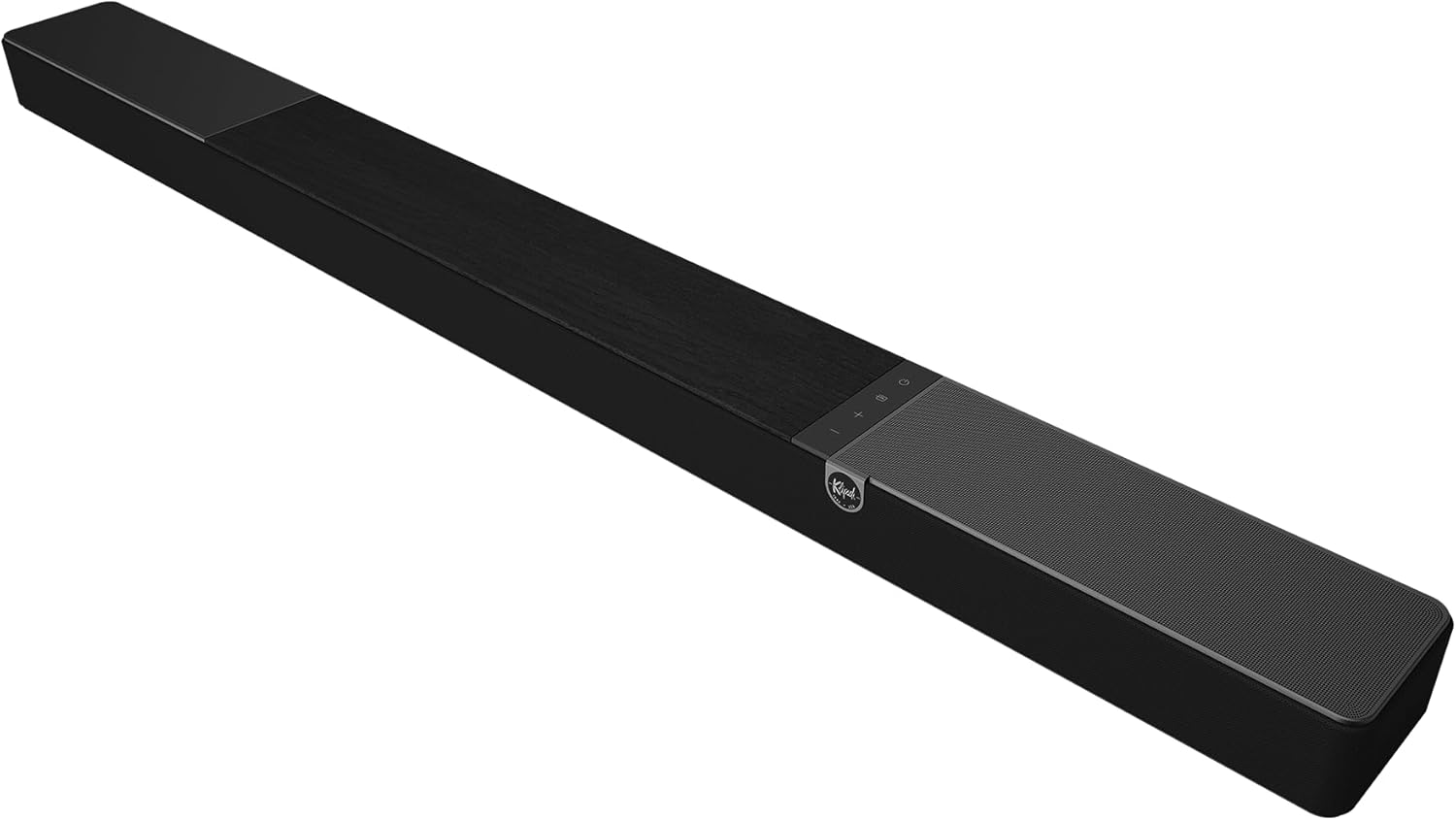
Klipsch Flexus CORE 300
Alternatively, the Klipsch is a strong all-in-one choice for listeners who want Dolby Atmos and room correction in a conventional soundbar format.
Check on Amazon ↗
Nakamichi Shockwafe System
Finally, the Nakamichi package suits buyers who prioritize multiple surrounds and powerful bass over minimalist styling.
Check on Amazon ↗Prices and availability change frequently. Therefore, use each Amazon button to view the current offer and seller details.
Sony BRAVIA Theater Trio questions buyers ask before ordering
Package and expansion
Does the Sony BRAVIA Theater Trio include a subwoofer?
No. Instead, the base package focuses on left, center, and right speakers. In addition, compatible Sony subwoofers are optional, and the system can support up to two compatible models for stronger low-frequency impact.
Are rear speakers included?
No. Instead, compatible rear speakers are sold separately. However, supported rear models are important for the fullest 360 Spatial Sound Mapping experience.
Does the Sony BRAVIA Theater Trio work without rear speakers?
Yes. The three front units provide the core left, center, and right playback without optional rears. Therefore, add rear speakers only when you want stronger wraparound effects and the fullest version of 360 Spatial Sound Mapping.
Is the Sony BRAVIA Theater Trio worth it without a subwoofer?
It can be, especially when dialogue clarity, front-stage width, and tidy installation matter more than room-shaking bass. However, movie fans who expect deep low-frequency impact should include a compatible subwoofer in the ownership budget.
Compatibility and connection
Which rear speakers are compatible with the Sony HT-A8?
For example, Sony support lists options that include BRAVIA Theater Rear 8, BRAVIA Theater Rear 9, SA-RS3S, and SA-RS5. However, regional models and software can affect compatibility, so verify the current Sony support page before ordering.
Is it completely wireless?
No home-theater speaker system of this type is truly cable-free. However, the left and right speakers communicate wirelessly, while all three units still need power and the center connects to the television.
Does it support Dolby Atmos and DTS:X?
Yes. It supports Dolby Atmos and DTS:X from compatible services or source devices. However, results depend on the content, television connection, playback device, and room setup.
Can I use it with a television that is not made by Sony?
Yes. It can work with compatible televisions from other brands through the appropriate HDMI connection. However, some Sony-specific features, including Voice Zoom 3 integration, require a compatible BRAVIA television.
Control, music, and buying checks
Is the BRAVIA Connect app required?
The app is central to guided setup, calibration, control, troubleshooting, and software updates. Therefore, a compatible mobile device is an important part of the intended ownership experience.
Is it suitable for music as well as movies?
Yes. In addition, Bluetooth and supported network streaming options make everyday music playback easy. However, the system's clearest advantage remains its broad front soundstage and dialogue-focused movie performance.
What should I check before ordering?
First, confirm television connectivity, nearby power outlets, mobile-device compatibility, and the budget for optional rear speakers or a subwoofer. Then, review the current seller, warranty, return terms, and package contents on Amazon.
Final verdict: buy it for width, dialogue clarity, and controlled expansion
The Sony BRAVIA Theater Trio is most convincing beside a large television when a single soundbar feels visually and sonically undersized. As a result, its dedicated center keeps dialogue focused while separate left and right speakers give the screen believable scale.
The honest limitation is equally important: this is a premium foundation, not a complete rear-surround-and-subwoofer package. However, buyers who plan expansion around their room and budget are more likely to enjoy it for years. By contrast, shoppers who want the most equipment in one box should compare the alternatives first.
Editorial transparency: This buyer guide is based on manufacturer specifications, official support information, reputable editorial coverage, and publicly available marketplace details. It does not claim laboratory measurement or hands-on long-term testing.
However, product features, package contents, seller terms, and compatibility can change, so confirm the current listing before purchase. For more independent product research, visit the Fliporax buying-guide home page.
